Best Sports-Based Corporate Wellness Ideas in San Francisco for Startup Teams in 2026
NockOut Team
If you run a startup team in San Francisco in 2026, wellness is no longer a side perk. It is an operating decision. The 2026 Gallup State of the Global Workplace report says global employee engagement fell to 20% in 2025, its lowest level since 2020, while the Global Wellness Institute's 2026 workplace wellbeing trends argue that employers are moving beyond isolated perks toward systems that support performance, recovery, and resilience.
That shift matters even more in startup environments, where work intensity, small teams, and always-on communication can make burnout feel normal. A standing meditation stipend or occasional lunch talk might help at the margins, but they usually do not change team behavior. Shared physical activity does, because it combines movement, social connection, accountability, and repeatability in one format.
This is where sports-based corporate wellness becomes useful. It gives teams a practical way to move together without turning wellness into a lecture. It also fits NockOut's core belief: active living sticks when people can actually find a place to play, show up with others, and repeat the habit the next week.
 The best team wellness formats are easy to join, easy to repeat, and social enough that people actually come back.
Why Sports-Based Wellness Is Landing Differently in 2026
A few trends are converging at the same time. Gallup's report shows a broad engagement problem, especially among managers, while the Global Wellness Institute says organizations are embedding wellbeing into how work is designed rather than treating it as a separate HR campaign. In parallel, fitness culture itself is becoming more social. A recent Men's Fitness report on the 2026 run-club boom describes the appeal clearly: people want both fitness and connection, not one without the other.
That is a strong match for startup teams. Early-stage companies do not just need healthier employees in the abstract. They need people who trust each other, recover well enough to think clearly, and have some shared rituals that are not built around screens, alcohol, or another meeting. Sports can provide that if the format is realistic.
Realistic is the key word. The goal is not to build an office full of amateur triathletes. The goal is to make movement easier than opting out.
What Makes a Good Startup Team Wellness Activity
Before choosing a sport, it helps to use a simple filter. The best corporate wellness activities for startup teams usually have four traits:
- Low coordination overhead: People can join without weeks of planning.
- Beginner friendliness: A new hire or non-athlete does not feel excluded.
- Flexible intensity: The same session can work for walkers, beginners, and competitive people.
- A real venue path: There is an obvious place to go, reserve, or show up.
In San Francisco, that last point matters a lot. A wellness plan is not useful if your team likes the idea but has no clue where to play. Public court systems, organized race programs, and simple recurring meetups are stronger than one-off grand plans that collapse after two weeks.
1. Build a Company 5K or Half-Marathon Team
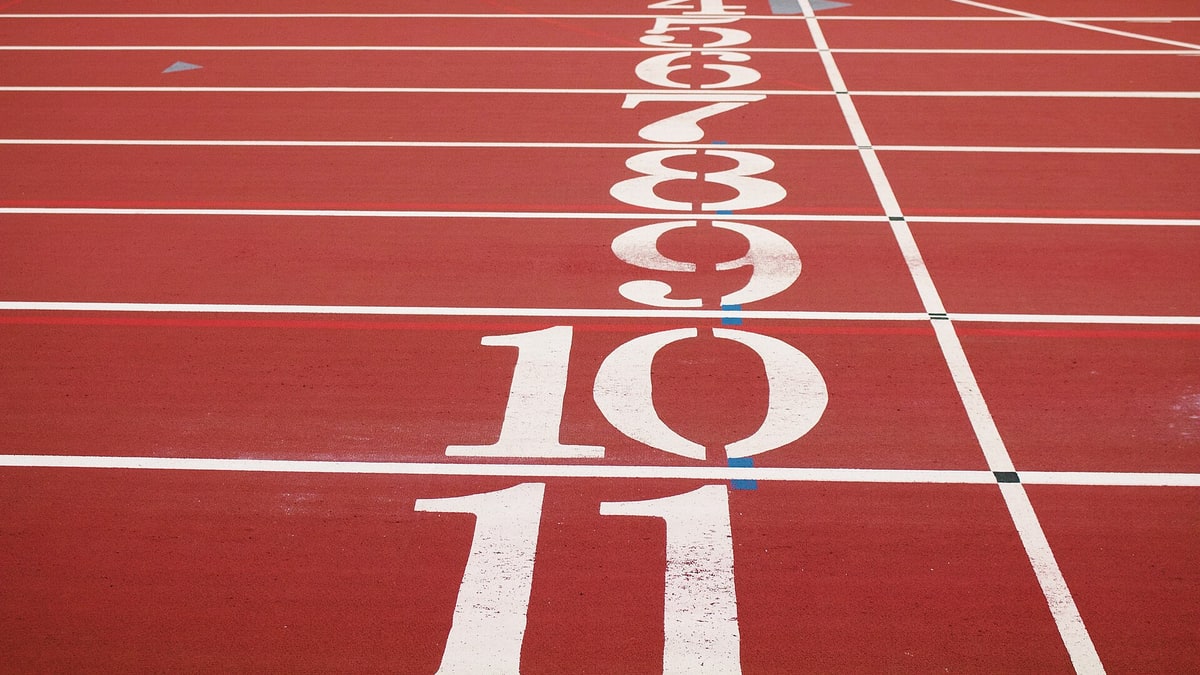
If your company wants one wellness ritual that is easy to explain and easy to scale, start here. A company race team works because it lets people participate at different effort levels. Some employees can train for a half marathon, others can target a 5K, and plenty can walk. You still get one shared finish-line moment.
San Francisco already offers a clean local template. The San Francisco Half Marathon Corporate Groups program explicitly pitches company participation as a way to promote wellness and camaraderie, with employees able to sign up for the 5K, 10K, or half marathon. That tiering is exactly what startup teams need. It avoids the common failure mode where the fittest people dominate the plan and everyone else quietly checks out.
Operationally, this format is also simple. Put one recurring weekly run-walk on the calendar, reimburse race entry up to a cap, and give people permission to train at different levels. If your team is hybrid, a race date becomes a much better in-person anchor than a random offsite because people build toward it over time.
2. Start a Weekly Pickleball Ladder Instead of Another Happy Hour
Pickleball works unusually well for startup teams because it combines short games, doubles play, and low entry barriers. People can rotate in and out, talk between points, and still feel like they did something active. It is social enough for team bonding but structured enough that the activity does not dissolve into small talk.
San Francisco also has the infrastructure for it. The SF Recreation and Park pickleball court directory lists a wide range of city options, including Larsen with eight dedicated open-play courts, Louis Sutter with six dedicated open-play courts, and Upper Noe with loaner paddles and balls during listed hours. That matters because good wellness habits usually survive on convenience, not inspiration.
For teams, the winning move is to keep the format lightweight. Do not overengineer a league immediately. Start with a monthly ladder or a standing Thursday session, let beginners borrow paddles, and treat court time as optional but recurring. If it sticks, you can add skill-group pairings later.
3. Use Walking Meetings and Walking Clubs as Actual Performance Infrastructure
Walking is underrated because it looks too simple. But simple is often exactly what startups can sustain. The Global Wellness Institute's April 2026 piece on social prescribing argues that walking clubs and other shared activities are not a fad; they are increasingly being used because meaningful in-person activity improves both mental and physical wellbeing.
For a startup team, this translates into two practical plays. First, convert some one-on-ones into walking meetings when the agenda does not require a screen. Second, create one weekly team walk that is deliberately low stakes. The purpose is not calorie burn. The purpose is lowering friction for people who are intimidated by sports but still want movement and social contact.
This is especially useful after intense shipping cycles. Teams that are mentally cooked often will not say yes to a hard workout, but they will say yes to a 30-minute walk around the neighborhood or along the waterfront if the expectation is clear and the social pressure is low.
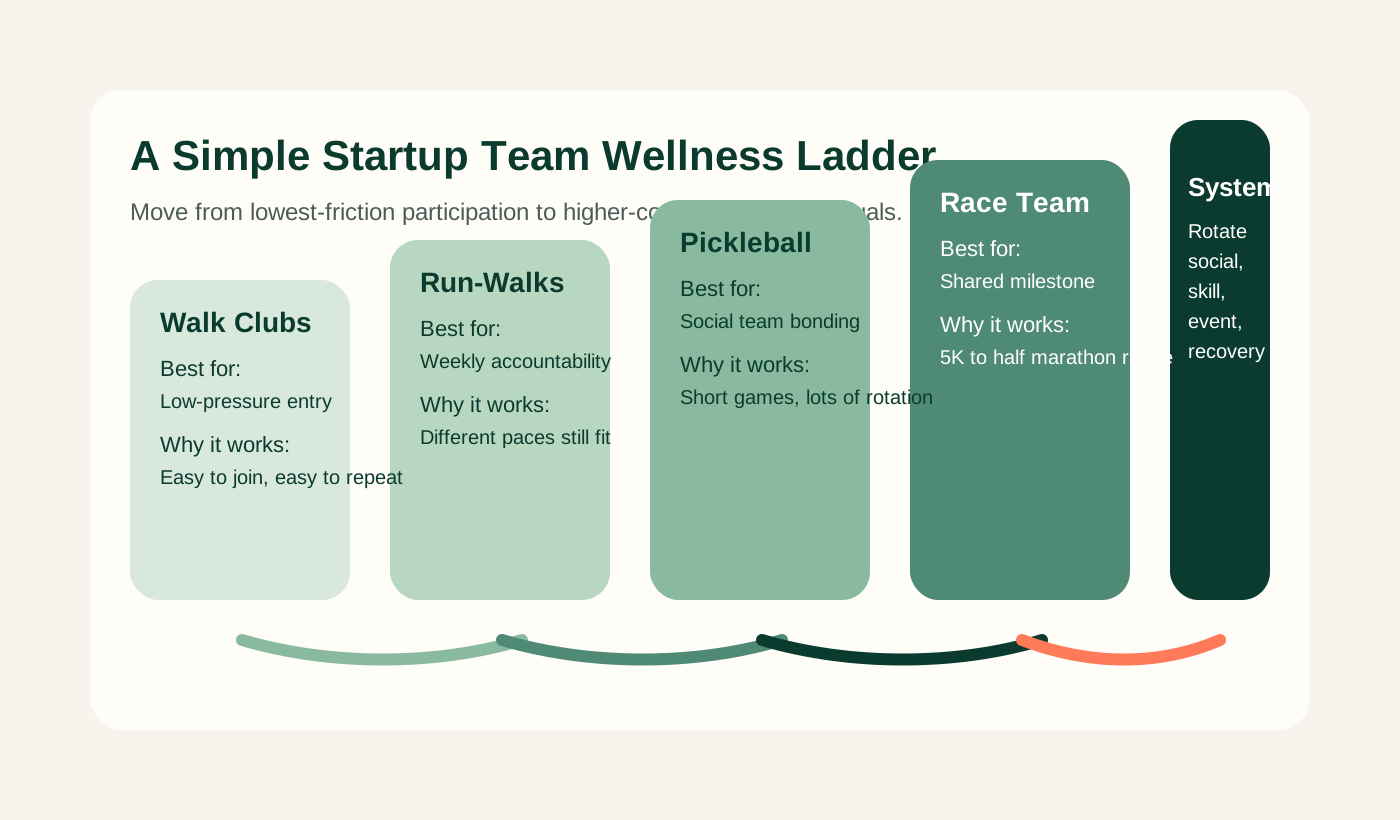 A durable wellness program usually mixes low-friction options like walking with higher-energy options like races or court sports.
4. Create a Rotation Between Skill, Social, and Recovery Days
One reason workplace wellness programs fail is that they demand the same type of energy every time. That is not how real teams operate. Some weeks are launch weeks. Some weeks are recruiting weeks. Some weeks everyone is just tired.
A better approach is a rotating structure:
- Week 1: social activity like pickleball, casual basketball, or a run-walk.
- Week 2: skill-building session such as a beginner clinic or coached workout.
- Week 3: event-based milestone like a local race, park workout, or longer team outing.
- Week 4: recovery-friendly option like a walk, stretch session, or easy mobility-focused meetup.
This keeps the program from becoming monotonous and reduces dropout from employees who are interested in wellness but not interested in performing at the same intensity every week. It also fits the 2026 direction of workplace wellbeing better than a macho "no excuses" model. The trend is toward resilient systems, not guilt-driven participation.
5. Design for Belonging, Not Just Attendance
A wellness event can be full and still fail. If only the same athletic inner circle keeps showing up, the program is not doing its job. Startup teams should judge success by whether more people feel welcome joining the second or third session, not by whether the best athletes posted their fastest time.
This is another place where current fitness culture offers a useful lesson. The run-club boom is not growing just because running is efficient. It is growing because it gives people a built-in social structure. That is what many employees are actually missing. Not another benefit category. A repeatable way to belong.
In practice, that means using beginner lanes, rotating partners, posting logistics clearly, and making it normal to join late or leave early. It also means avoiding jargon-heavy or overly competitive formats at the start. If the team needs a sign-up message that reads like an amateur sports draft, the barrier is already too high.
How San Francisco Teams Can Keep the Program Practical
San Francisco teams have one advantage: the city already supports a lot of low-friction movement. Public courts, major park routes, destination races, and neighborhood recreation infrastructure make it easier to build a recurring habit without needing a private campus gym.
The main constraint is not access. It is consistency. Pick one cadence, one organizer, and one default activity before you expand. A startup with twelve people does not need a twelve-part wellness strategy. It needs one thing that reliably happens and one backup option for people who want a lower-intensity entry point.
If you are using NockOut, that is the real opportunity: not just discovering sports once, but turning discovery into a durable team rhythm. The companies that handle wellness well in 2026 will not be the ones with the most performative benefits page. They will be the ones that make active, social recovery normal enough that people stop debating whether they have time for it.
Final Take
The best corporate wellness ideas in San Francisco right now are not abstract. They are sports-based, social, and easy to repeat. A company race team, a weekly pickleball ladder, and low-friction walking clubs all work because they reduce coordination cost while increasing connection.
That matters in a startup environment where energy, morale, and trust compound quickly in either direction. If your team wants a wellness format that actually survives contact with real work, start with movement people can do together in the city they already live in. Then make the next session obvious before the first one ends.