
How to Start Archery Near San Francisco This Summer 2026
NockOut Team
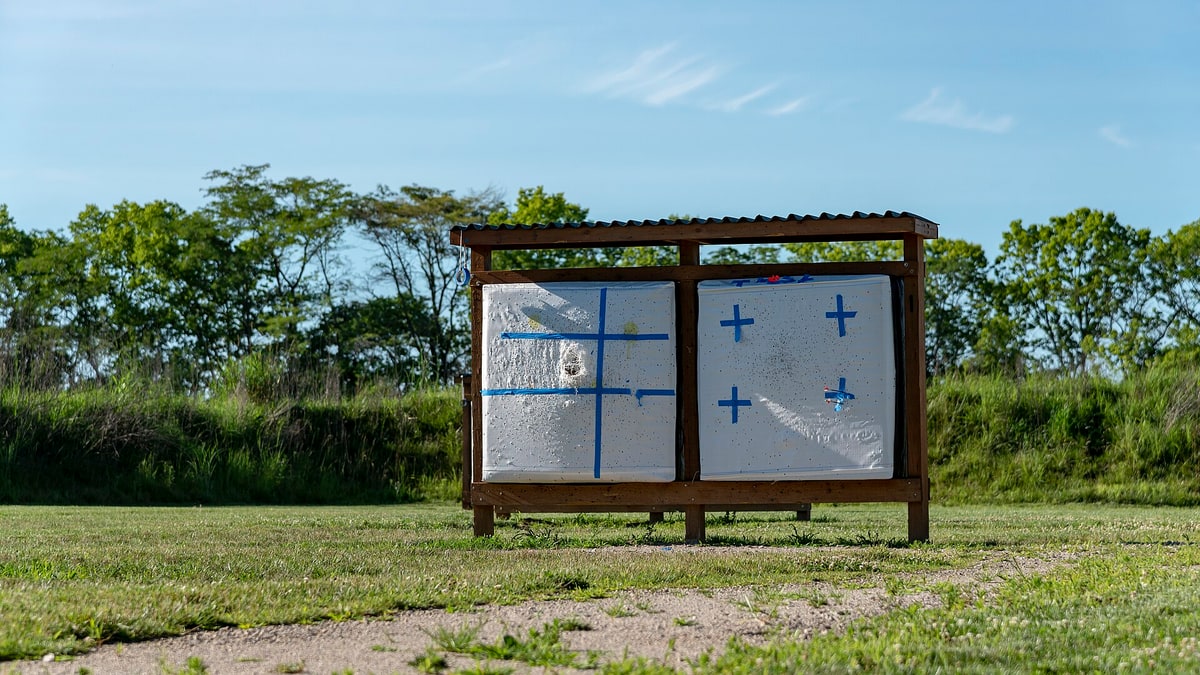
If you are searching for beginner archery near San Francisco, archery range San Francisco, or how to start archery in the Bay Area, there is a stronger local answer than most people realize. As of Wednesday, June 24, 2026, the San Francisco Archers site shows its red, white, and blue ranges open, points newcomers toward community instruction, and maintains one of the more substantial outdoor archery facilities in the region.
That makes this a useful Nockout topic even though it is not one of the usual mainstream sports. Archery solves a different problem. It gives people a way to move outdoors, build focus, and join a volunteer-run sports community without needing a giant team, a crowded gym, or a constant social-performance mode. It is technical, but the first step is not complicated.
This guide is built for search intent like archery near San Francisco, beginner archery Bay Area, San Francisco Archers outreach program, and public archery range near SF. The goal is to show where to begin, what the first visit actually looks like, how much you need to spend up front, and how to decide whether this is the kind of outdoor habit you will really keep.
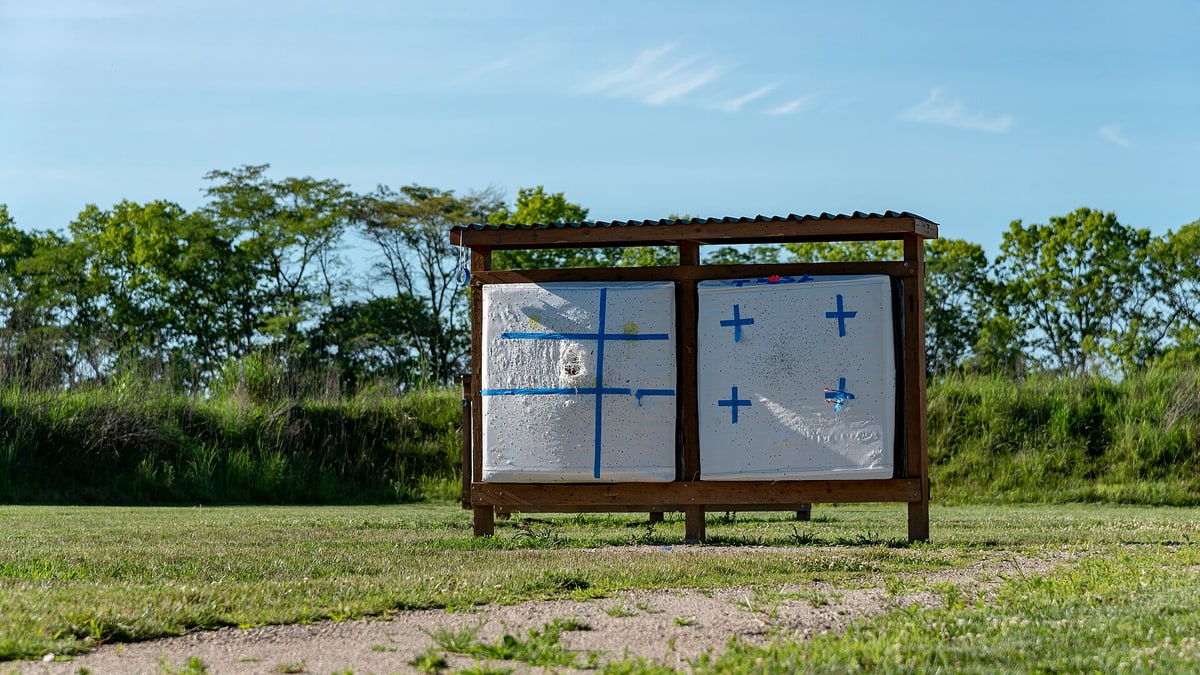 The best first archery routine is simple: show up safely, borrow the gear, learn the basics, and come back before the confidence fades.
Why Archery Is a Strong Bay Area Sport Right Now
The first reason is access. On its range page, San Francisco Archers says the range is open to the general public from sunrise to sunset except during special events and maintenance days, and suggests a minimum $5 donation fee for general-public archers ages 14 and over. That is an unusually low-friction entry point for a sport that many people assume is expensive or private.
The second reason is scale. SFA describes its facility as one of the larger ranges in the Bay Area, with two separate field ranges, a 100-yard target range, and a practice range. For beginners, that matters because it means the venue is not only a novelty stop. It is a place where people can grow. There is room for a first-timer, a casual returning archer, and someone who eventually wants structured coaching.
The third reason is community design. The club is explicit that it is a nonprofit volunteer organization promoting archery across ages and ability levels. That shows up everywhere on the site, from maintenance-day expectations to the outreach program to the formal youth and adult instruction track. In Nockout terms, this is exactly the kind of sports environment that can turn curiosity into repeat participation.
Where the Range Actually Is
One important clarification for searchers: the experience is branded around San Francisco Archers, but the club's directions page places the physical range on Archery & Rifle Range Road, off Lundy Way in Pacifica, with specific driving directions from San Francisco and the Peninsula. So if you are searching for archery in San Francisco proper, the practical answer is really archery near San Francisco.
That is not a weakness. It is part of the appeal. You are getting an outdoor hillside range with multiple course types, not an afterthought tucked into a gym. The directions page also says the range is typically open every day from sun up to sun down, and that children under 13 are admitted free while adults pay the standard day-use fee.
For Bay Area residents trying to find a sport that feels different from their workweek, that geography helps. Archery becomes a destination without becoming a full weekend ordeal. It feels like leaving the city for a purpose, not escaping it at random.
The Easiest Way to Start: The Outreach Program
For most true beginners, the cleanest entry point is the San Francisco Archers Outreach Program. The club describes it as a volunteer-run group program that teaches the basics of archery and safety rules in a single session. That is exactly what a first-time searcher usually needs. Not a giant equipment purchase. Not a private coaching plan. Just a safe on-ramp.
The published outreach details are practical: registration starts around 8:30 a.m., there are typically two sessions from 9:00 to 10:30 a.m. and 10:30 a.m. to 12:00 p.m., the club asks for a $5 minimum donation, the minimum age for instruction is 8, and the club provides all necessary equipment. That is one of the best beginner combinations you can ask for.
There is one caveat worth stating clearly. The outreach page currently mixes a 2025 announcement line with a 2024 date block. The same page tells visitors to check the club calendar before arriving, and that is the right move. The practical takeaway is still useful: SFA publicly supports a low-cost beginner program, but you should confirm the exact day on the calendar before driving out.
What You Learn in the First Month
Archery works best when you do not romanticize it. The first month should be about reps, safety, and comfort.
- Visit one: use the outreach program or a public range visit to learn the range layout, safety language, and how shooting lines work.
- Visit two: repeat the basics while the muscle memory is still fresh, especially stance, draw sequence, and target discipline.
- Visit three: decide whether you want this to stay recreational or whether you want coaching and measurable progress.
- Visit four: if the sport still feels good, move into a more structured pathway instead of staying permanently in trial mode.
This matters because archery is not just about hitting the center immediately. It is about building repeatable form and learning how to stay calm and precise. The people who enjoy it most are usually the ones who let the sport become rhythmic before they try to make it impressive.
The Structured Next Step: JOAD and the Adult Archery Program
If one beginner session is not enough, SFA has a more serious local pathway. Its JOAD and Adult Archery Program page says the club uses a USA Archery-sanctioned National Training System and splits structured instruction into two categories: JOAD for ages 8 to 20 and AAP for ages 21 and older.
That matters because it gives the sport a real progression system. The club says students get access to USA Archery-certified instructors and coaches, and that all interested applicants first meet with the coaching staff so the program can assess skill and place them correctly. In other words, the next step is not vague. It is organized.
For adults, the most helpful section is Level 1 instruction. SFA says beginning students learn archery etiquette, basic safety, the shooting sequence, and scoring. It also says first-time archers can use provided equipment, including recurve bows, arrows, arm guards, and finger releases. That removes another common beginner fear: thinking you need to buy everything correctly before you can even tell whether you like the sport.
The same page also sets expectations for people who want to go deeper. Intermediate and advanced students are assessed before entering Level 2, and they should generally have their own equipment at that point. Class sessions are typically held on Saturdays, twice a month, usually with morning time slots, and normally run from April through the end of August depending on weather. For a summer sport, that is a clean seasonal lane.
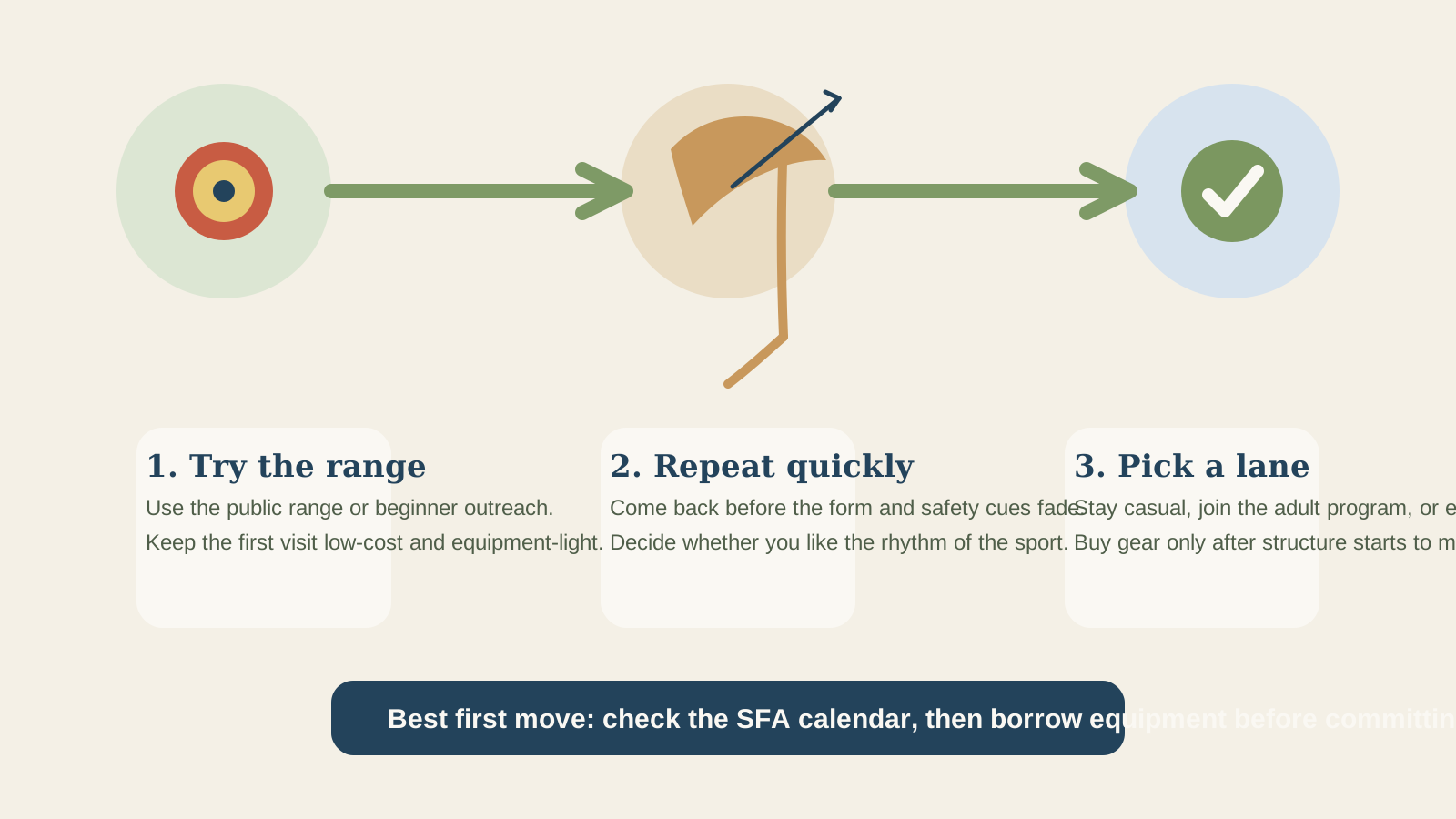 A good archery habit usually grows in three steps: try it once, repeat it quickly, then choose whether to stay casual or train with more structure.
How to Choose Between Casual and Committed Archery
The right lane depends on what problem you are trying to solve.
- Choose the public-range and outreach path if you want a low-cost outdoor hobby, a calmer weekend activity, or a first exposure for a family member.
- Choose the adult program if you want coaching, skill progression, and a reason to keep returning instead of drifting away after one fun day.
- Choose the youth program if you are looking for a sport that builds focus, confidence, and measurable improvement for an 8-to-20-year-old archer.
SFA also makes clear that membership is a separate commitment. Its membership page describes a volunteer-driven club with 300-plus members, yearly dues, sponsorship requirements, and work-party expectations. That is useful context because not every beginner wants that right away. You do not need to decide on day one whether you want to join the club long term. You only need to decide whether you want to start.
What Makes This Fit the Nockout Brand
Nockout is most useful when it helps people find a place to play that they can actually return to. Archery near San Francisco fits that mission well. It is local but not overhyped. It is technical but still accessible. It gives people a physical venue, a beginner pathway, a skill ladder, and a community that clearly maintains the sport together.
It also broadens the definition of an active lifestyle. Not every sustainable sports habit needs to look like league play, pickup games, or maximal cardio. Some people need a sport that sharpens attention, rewards patience, and still gets them outside. Archery does that unusually well.
Final Take
If you want to start archery near San Francisco in summer 2026, the best move is to begin with San Francisco Archers. The club's site currently shows its main ranges open, says the public range is available from sunrise to sunset outside special closures, keeps beginner costs low, and offers both a volunteer-run outreach session and a more structured adult and youth coaching pathway.
The main practical advice is simple: do not overbuy, do not overthink, and do not assume archery is inaccessible. Check the calendar, use the outreach or Level 1 path, borrow the equipment first, and see whether the rhythm of the sport works for you. If it does, you will have found something valuable: a Bay Area sport that is specific, skill-building, outdoors, and sustainable enough to become part of your real week.