
How to Start Playing Pickleball in San Francisco in 2026
NockOut Team
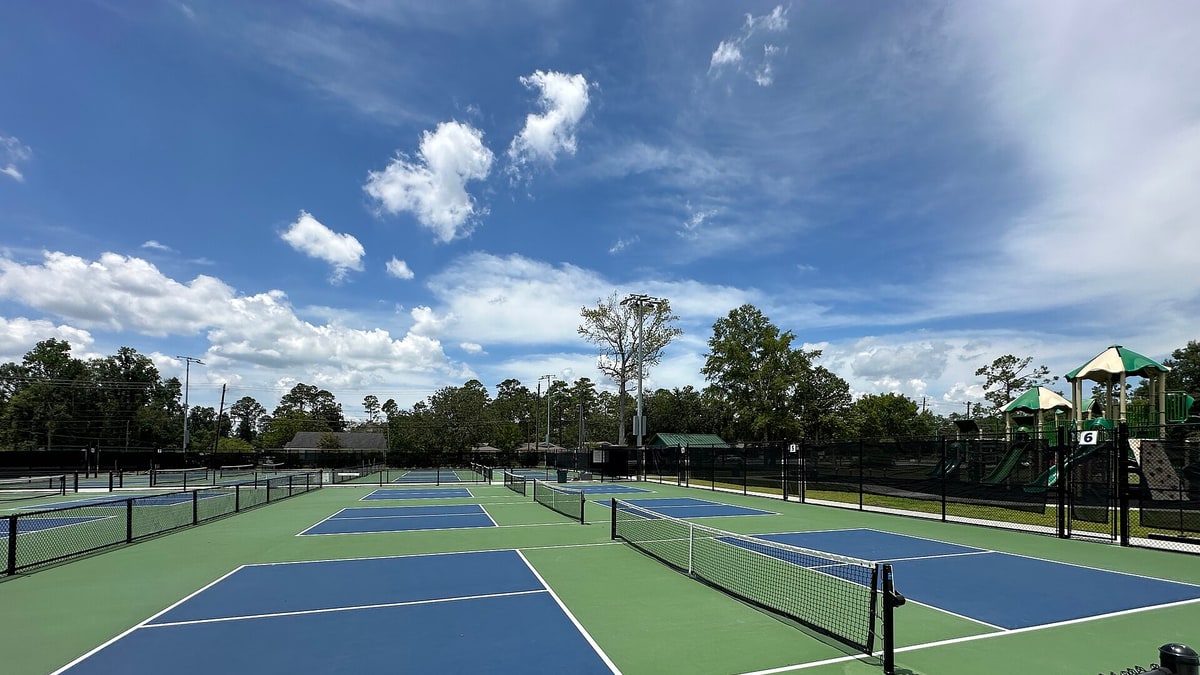
If you have been hearing more about pickleball around San Francisco lately, that is not your imagination. As of May 28, 2026, the sport is still expanding nationally and locally. A 2026 Sports & Fitness Industry Association participation report summarized by Pickleball.com said about 24.3 million Americans played pickleball in 2025, up 22.8% year over year. In San Francisco, the city has kept building supply too: the San Francisco Recreation and Park Department's court directory now lists dedicated and shared-use courts across the city, and the department said in August 2025 that it had grown from 12 pickleball courts in 2018 to more than 90 locations available citywide.
That growth is good news, but it also creates a very specific beginner problem. When a sport gets popular fast, the barrier is no longer understanding whether it is fun. The barrier becomes figuring out where to start without wasting time, buying the wrong gear, or showing up to a court that is too advanced, too crowded, or too confusing.
This guide is for that exact moment. If you want to start playing pickleball in San Francisco in 2026, here is the practical version: what you need, the rules that matter most, how open play works, where to begin, and how to build a routine that actually sticks.
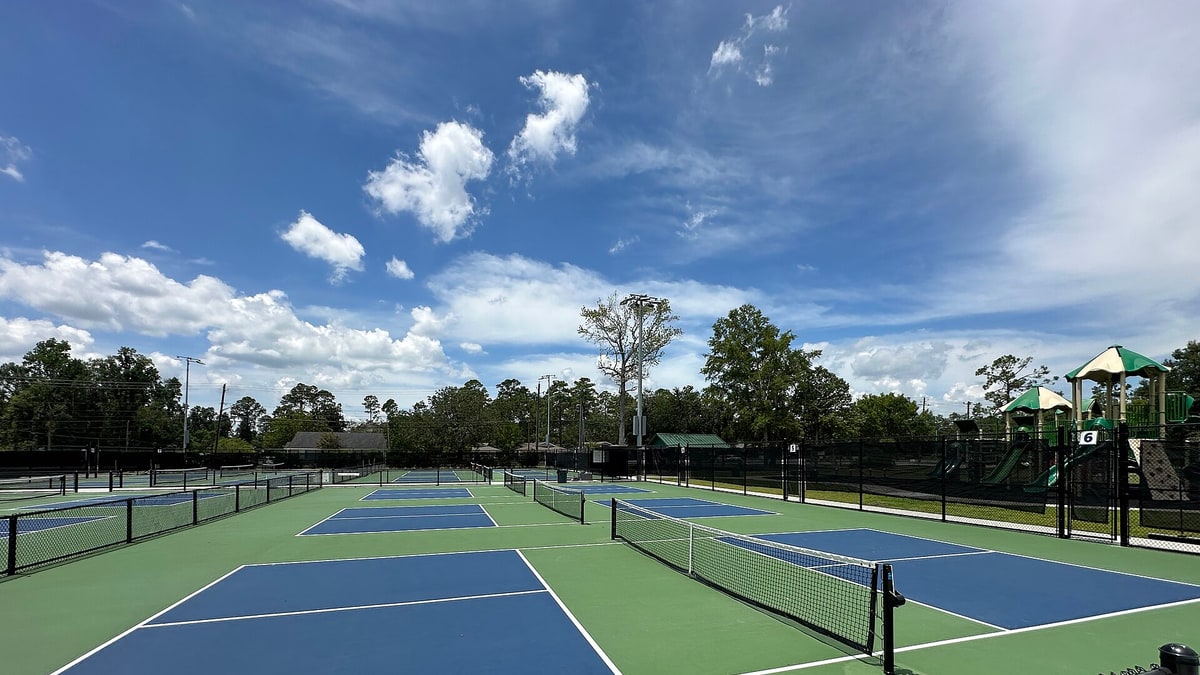 Pickleball is easiest to sustain when you treat it as both a sport and a social routine.
Why Pickleball Is Such a Good Starter Sport Right Now
Pickleball sits in a sweet spot for adults who want movement without a massive learning curve. The court is smaller than a tennis court, rallies start quickly, doubles is the default format, and a single session can feel social even if you came alone. That matters in a city like San Francisco, where people often want three things at once: fitness, community, and something that is easier to organize than a full team sport.
It also helps that there are now multiple ways to enter the sport. You can start with a public open-play court, take a beginner clinic, reserve a court with friends, or join a recurring city program. For example, the Spring 2026 adult pickleball schedule at Goldman Tennis Center included beginning, advanced-beginning, drill-and-play, and doubles strategy sessions. That is a better entry point for many people than trying to learn everything from random YouTube clips and one chaotic first match.
The Only Gear You Need at the Start
Beginners often overcomplicate this part. You do not need premium gear on day one.
- Paddle: Start with a reliable entry-level paddle or borrow one first. You can worry about weight, grit, and shape later.
- Court shoes: Use shoes built for court movement, not soft running shoes. Lateral support matters once you start moving side to side.
- Balls: Outdoor balls are standard for most public San Francisco courts. The city directory also notes that indoor balls are recommended for indoor courts.
- Water and a hat: San Francisco weather is rarely extreme, but long open-play waits and windy courts will still wear you down.
If you are unsure whether you will keep playing, borrow before you buy. Many shared-use courts and community groups have players who will happily let a newcomer try a paddle for a few rallies. That is a better test than buying based on marketing alone.
The Rules You Actually Need to Know Before Your First Session
You do not need to memorize the full rulebook before showing up, but you do need to understand three concepts that shape almost every beginner rally.
1. The serve is underhand
According to USA Pickleball's how-to-play guide, the serve must be underhand or a drop serve, hit crosscourt, and land beyond the kitchen line. If your serve clips the kitchen line, it is out.
2. The two-bounce rule changes the rhythm
USA Pickleball also emphasizes the sport's two-bounce rule: the serve must bounce, and the return of serve must bounce too, before either side can volley. That one rule is why the game stays playable for beginners. It slows the first exchange down just enough to create real rallies.
3. The kitchen matters more than beginners expect
The non-volley zone, better known as the kitchen, is the seven-foot area on each side of the net. You cannot hit the ball out of the air while standing in that zone or touching the line. Many beginner faults happen here. If you remember nothing else, remember this: do not rush the net and swat every ball. Get balanced first.
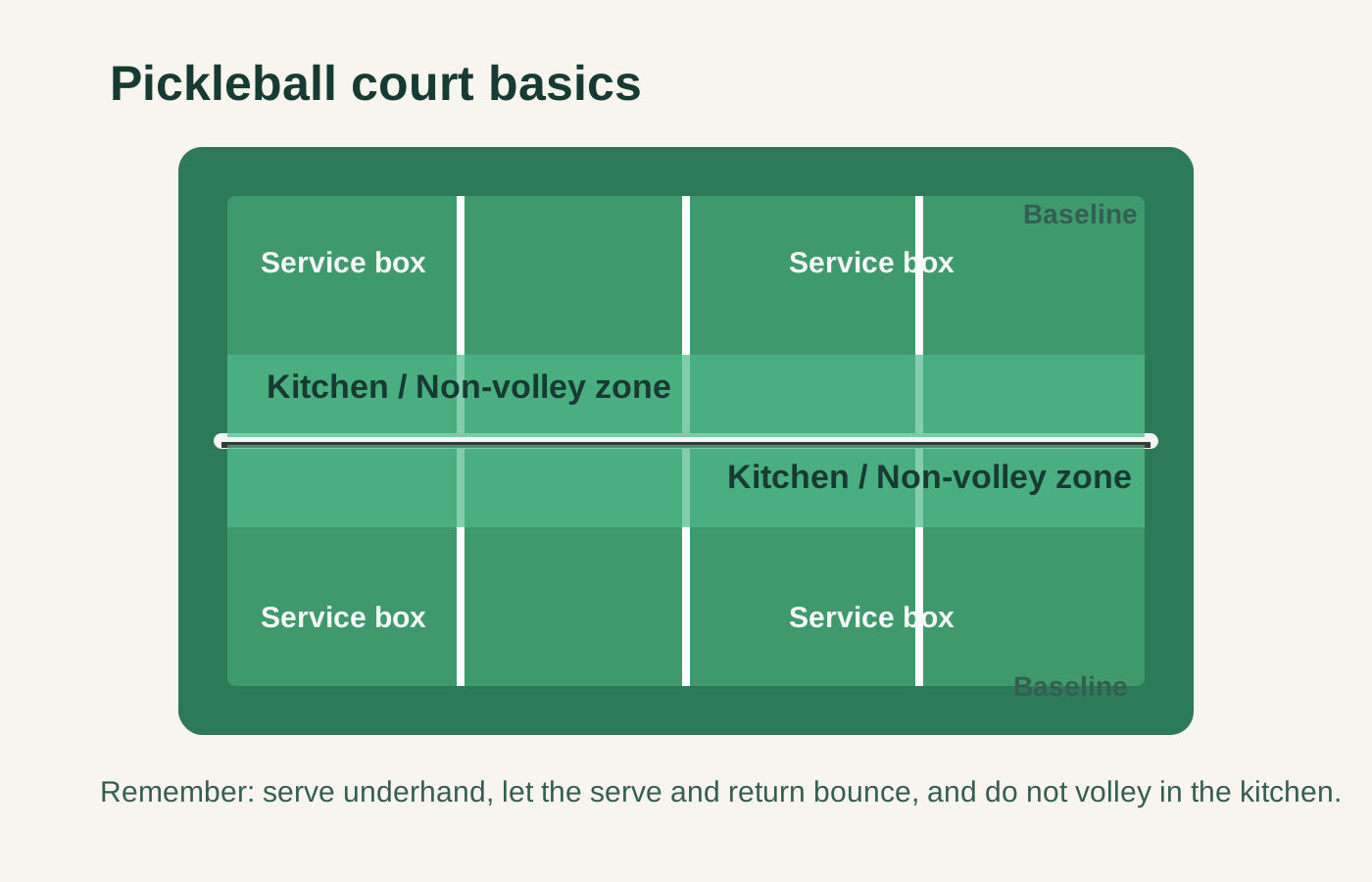 If you understand the serve, the two-bounce rule, and the kitchen, you understand most of the beginner experience.
Where Beginners Should Play in San Francisco First
Not every court is the right first court. The best beginner choice is usually the place that gives you enough repetition without too much chaos.
The city's official pickleball court directory is the best current source because it distinguishes between total courts, walk-up availability, dedicated open play, lights, and restrooms. A few practical takeaways from that directory are especially useful for new players:
- Larsen is listed with eight dedicated open-play courts.
- Louis Sutter is listed with six dedicated open-play courts and provided nets.
- Crocker Amazon is listed with four courts, lights, and restrooms.
- Upper Noe has limited open-play windows on Tuesdays and Thursdays plus loaner equipment availability during listed rec-center hours.
- Moscone, Presidio Wall, and Rossi require checking posted schedules because they mix open play and shared-use patterns.
Louis Sutter is especially worth noting because the city also lists it as a facility with outdoor pickleball, parking, restrooms, and park hours from 6 a.m. to 10 p.m. If you want a lower-friction first outing, that combination matters. The court itself is only part of the experience. Easy logistics help you keep showing up.
Crocker Amazon is another sign of where the city is headed. In an August 20, 2025 press release, SF Rec and Park said the new courts there were added to meet surging demand and that the city's inventory had climbed to more than 90 locations. That suggests San Francisco is no longer treating pickleball as a fringe overlay on other sports. It is now part of the mainstream recreation mix.
Should You Start With Open Play or a Clinic?
Both can work, but they solve different problems.
Start with open play if: you already know the basic rules, you are comfortable introducing yourself, and you mostly need reps.
Start with a clinic if: you want a cleaner learning curve, you do not like the social uncertainty of rotating with strangers, or you want someone to correct your serve, positioning, and footwork before bad habits stick.
For many adults, the best answer is one of each. Do one clinic or beginner class, then use open play to make the sport feel real in your weekly life. That hybrid approach lowers intimidation while still helping you meet the community side of the game.
How Open Play Usually Works
This is the part newcomers are often too shy to ask about. Open play is usually a rotation system, not a private reservation. Depending on the court, players may paddle-stack, queue by rack, rotate winners, or swap in after each game. The details vary, but the norm is simple: do not treat an open-play court like a closed group run by your four friends unless the posted system says otherwise.
There is another practical point here: crowded courts do not mean you chose badly. They usually mean you found a real community node. If the wait feels manageable and the skill mix is not too severe, that is often a better long-term starting environment than an empty court where you never meet anyone.
A Good First Month Plan
- Week 1: Learn the rules, borrow gear if possible, and play one low-pressure session.
- Week 2: Return to the same court or take one beginner clinic so the game starts to feel less random.
- Week 3: Play doubles again and focus only on serving in, honoring the two-bounce rule, and getting to the kitchen line under control.
- Week 4: Decide whether you want social open play, skills development, or a regular friend group that reserves courts together.
This is enough. You do not need a full training plan. The first milestone is not becoming advanced. It is becoming consistent.
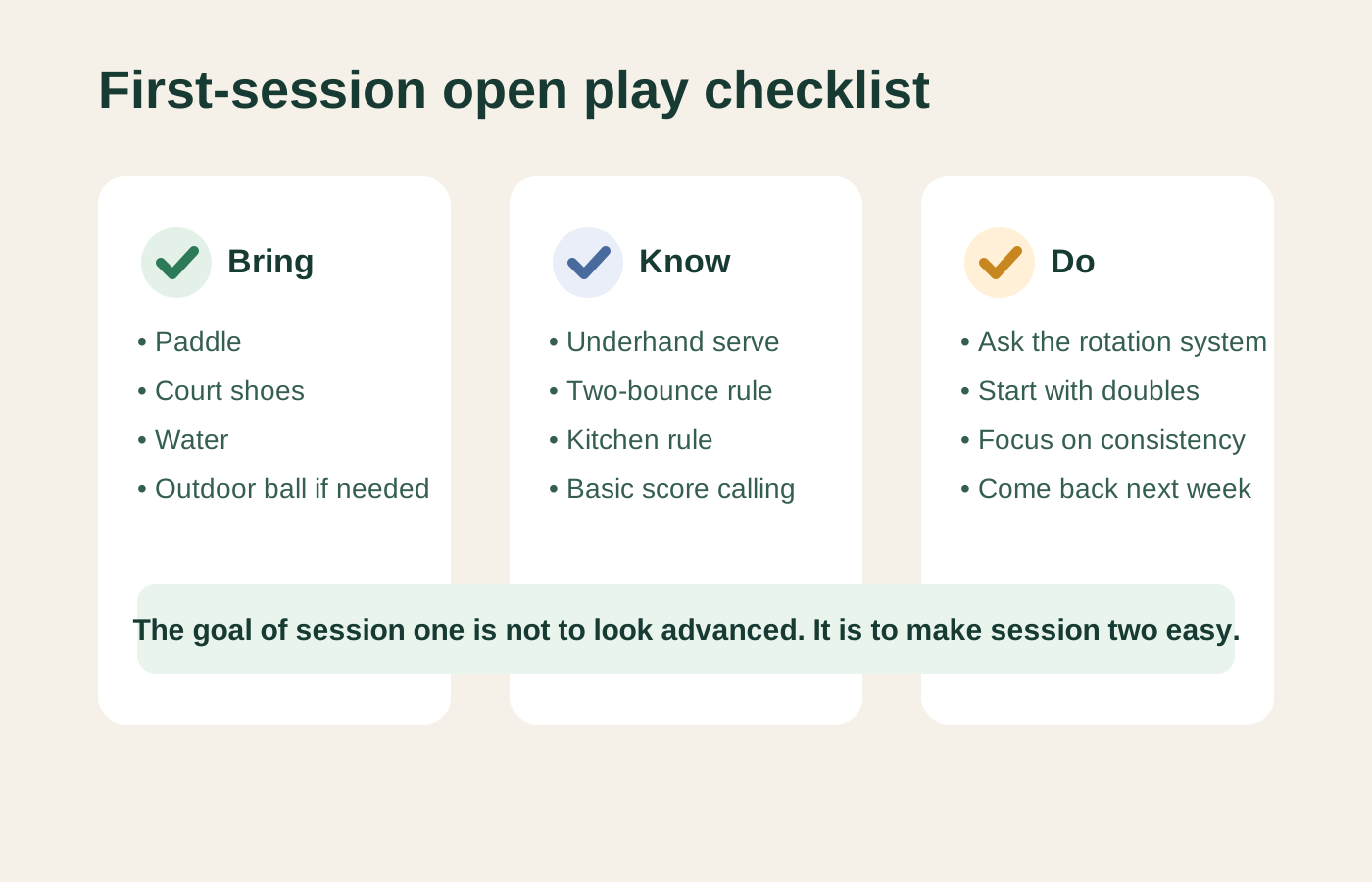 A simple repeatable plan beats over-preparing for a sport that is meant to be social and playable.
Beginner Mistakes That Slow Progress
- Buying expensive gear too early: Your first few sessions should answer whether you like the sport, not whether you picked the perfect paddle.
- Backing up too far: New players often camp at the baseline. In doubles, learning when to move toward the kitchen line matters.
- Trying to hit every ball hard: Pickleball rewards control more than ego.
- Ignoring etiquette: Ask how rotations work. It makes a better first impression than assuming.
- Playing only once: The sport usually feels much better on session two or three than it does in the first forty minutes.
Why Pickleball Fits the NockOut Mindset
At NockOut, we care less about abstract fitness trends and more about repeatable active living. The best sport is not always the hardest one or the most aspirational one. It is the one that fits your city, your schedule, and your social energy well enough that you come back next week.
Pickleball works because it shortens the path between curiosity and participation. A new player can learn the rules quickly, find a public court, and meet other people through open play or clinics without needing a full team, expensive field time, or elite conditioning. In a place like San Francisco, that makes it one of the strongest entry points into a more active lifestyle.
Final Take
If you want to start playing pickleball in San Francisco in 2026, do not overthink the first move. Learn the three core rules. Borrow or buy a basic paddle. Use the city's official court directory to pick a realistic first court. Show up ready to rotate, not dominate. Then give the sport at least three sessions before judging whether it fits you.
The upside is bigger than a new hobby. Pickleball can become a local routine, a lightweight social anchor, and a durable way to keep moving even when your calendar is crowded. And if you want to build a broader active-life rhythm beyond one sport, NockOut is built for exactly that: helping people discover where to play, who to play with, and which routines are actually sustainable.