


San Francisco's Free Nature Adventure Map: Best Outdoor Family Activities for Summer 2026
NockOut Team
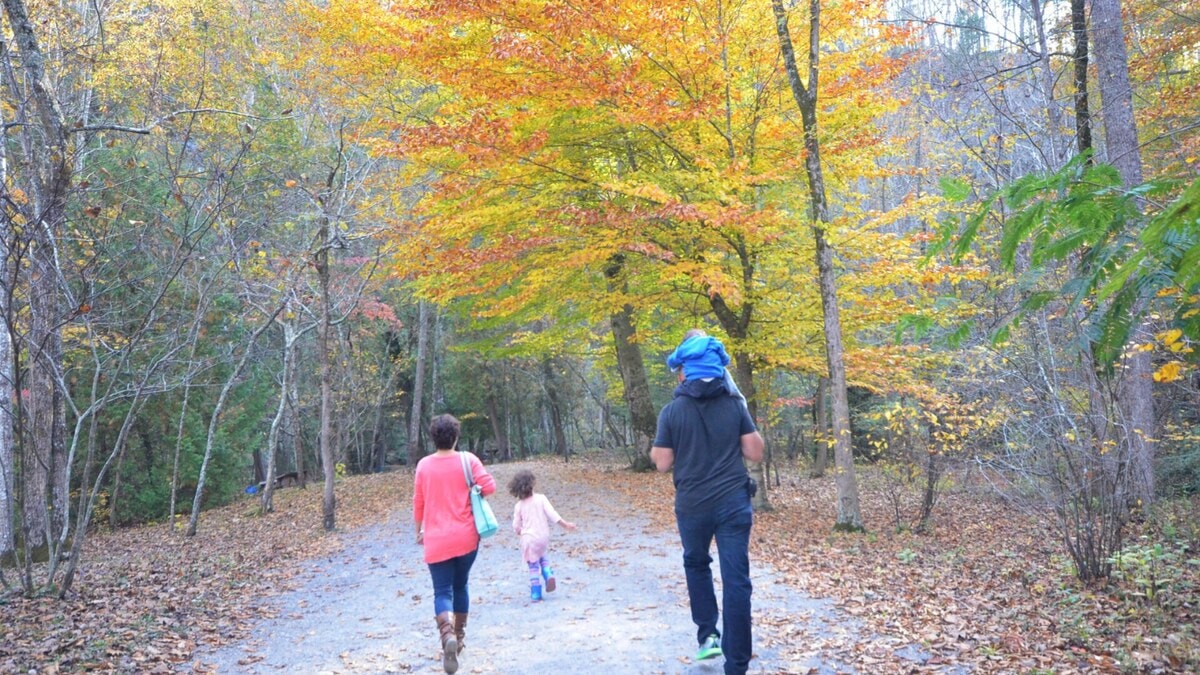
If you are searching for free outdoor family activities in San Francisco, San Francisco nature activities for kids, best parks in San Francisco this summer, or things to do outside in San Francisco with family in 2026, the city's official park system is giving you a better answer right now than most generic event roundups. As of Wednesday, July 1, 2026, the San Francisco Recreation and Park homepage is actively promoting a free Nature Adventure Map with 35 destinations for families who want to get outside this summer. That same live city surface is also pointing people toward a stronger outdoor system overall: Sunset Dunes just marked a first year with more than 1.7 million visits, and the Randall Museum just opened a new Nature Exploration Area.
That combination matters because most family-active-life advice still gets the problem wrong. The issue usually is not that San Francisco families lack good intentions. It is that many weekend plans are too expensive, too overplanned, or too vague to survive a real week. A useful city guide should make the next outing easier, not just more aspirational.
This post is built for the Nockout lens: practical places to move, play, and spend time outside in ways that can become repeatable. Instead of treating the summer as one giant bucket list, the smarter move is to use the city's current park momentum to pick a few reliable outdoor formats that fit your family's energy, neighborhood, and attention span.
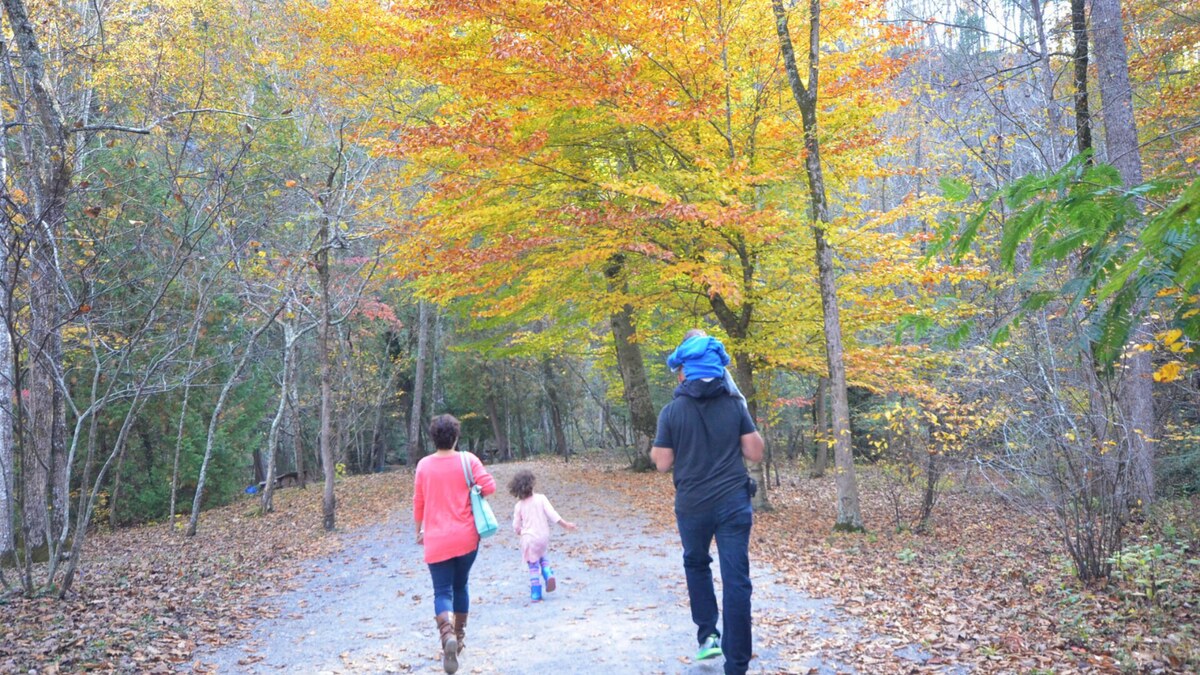 The best San Francisco family outing is usually the one with the least friction between your plan and the place where everyone can move. Photo: Virginia State Parks staff/Wikimedia Commons, CC BY 2.0.
Why the Free Nature Adventure Map Is a Better Starting Point Than Another Long Weekend List
A lot of summer family content collapses into random quantity. Ten playgrounds here, twelve museums there, and a list of events that may or may not fit your actual Saturday. The city's current Nature Adventure Map promotion points in a better direction. A map is useful because it turns outdoor time into a planning tool instead of another search spiral. If San Francisco is already highlighting 35 destinations, the right move is not to conquer all 35. It is to use that structure to pick one place that matches your week.
That may sound small, but it solves the real problem. Families usually do not need more options. They need clearer defaults. One coastal walk. One hilltop stop. One curiosity-friendly museum. One neighborhood park that can become a regular fallback. When the city puts those destinations into one summer frame, it becomes easier to build a rhythm rather than improvising every weekend from zero.
That is where Nockout's point of view matters. Sustainable active living does not begin when you discover the most impressive destination. It begins when you choose the place that your family will actually revisit after a long workday, a messy nap schedule, or a foggy Saturday morning.
1. Start With Sunset Dunes if You Want the Easiest Big Outdoor Reset
If you want the strongest answer to where to walk outdoors in San Francisco with family this summer, Sunset Dunes is hard to beat. SF Rec and Park says the 2-mile oceanfront park has now passed 1.7 million visits in its first year, averaging 4,900 daily visits and staying active every day of the year. More than half of its visits happened on weekdays, which is a useful signal: this is not only a tourist novelty or a one-off event park. It is becoming a real habit space for local residents.
That matters for families because Sunset Dunes gives you room without demanding a big production. You can walk, stroll, scooter, bird-watch, or simply let a longer stretch of open space do the work that a cramped indoor plan cannot. The same city release says volunteers planted more than 2,200 dune grasses and birdwatchers documented 87 species during the first year, which makes the outing feel like more than just cardio. It is active time with enough nature and sensory variety to hold attention.
The best use case here is not perfection. It is range. Sunset Dunes works for a stroller walk, a family jog-walk, a scooter hour, or a longer coastal reset when everyone has too much screen time in their system. If your family tends to overestimate how much structure it wants, this is one of the safest city choices because the environment itself does much of the work.
It is also a strong example of what practical local wellness looks like. A lot of cities talk about family-friendly outdoor life in vague terms. San Francisco now has a waterfront promenade with real proof of repeated use, easy movement, and enough scale to handle different ages at the same time.
2. Choose the Randall Museum if You Want Outdoor Curiosity, Not Just Mileage
If your family needs a destination that mixes movement with discovery, the Randall Museum's new Nature Exploration Area is one of the best current additions to know. SF Rec and Park says the new space opened on June 20, 2026 and includes climbing and balancing structures, a woven den, carved logs, and a rope swing. That is the kind of setup that helps outdoor time feel inviting for kids who do not want a pure walking-only plan.
The larger context is just as useful. The city says the Randall Museum welcomes more than 100,000 visitors annually, will celebrate its 75th anniversary in September, and sits in Corona Heights with broad views of the bay. It also describes the museum as a free community learning center, which matters because family activity plans can get expensive fast if every outing depends on tickets or structured programming.
What makes Randall strong for Nockout readers is that it creates a bridge between active movement and family attention. Some kids want distance. Others want objects to climb, touch, and investigate. Some adults want a destination that feels educational enough to justify the trip but still open enough that nobody has to behave like they are on a formal school visit. Randall gives you that middle ground.
A practical pattern is to pair the Nature Exploration Area with a short walk before or after the museum visit. That lets the outing feel active without asking younger kids to commit to a long linear route. In other words, you get motion, curiosity, and enough flexibility to adjust if the day goes sideways.
3. Use the City's Park Density to Build a Habit, Not Just a Special Occasion
One of the most underrated details on the SF Rec and Park homepage is the system-level context: the department manages more than 230 parks, playgrounds, and open spaces, and it says San Francisco became the first city where every resident lives within a 10-minute walk of a park. That is not just a civic brag. It is a habit-design advantage.
Too many family outdoor plans fail because they depend on one big destination that only works when the whole day is clean and energy is high. The smarter strategy is to use one larger outing like Sunset Dunes or Randall Museum as your anchor, then keep one or two neighborhood parks as your regular repeat spaces. The free Nature Adventure Map helps with discovery, but the repeatable habit often comes from the place you can reach fastest.
This is especially important for startup workers, busy parents, and families trying to reduce the all-or-nothing pressure around wellness. If every plan requires driving across the city, packing a full lunch, and aligning everyone's mood perfectly, the routine will break. If the city already guarantees a park within a short walk, the active-lifestyle baseline gets much easier to maintain.
Nockout's role in that picture is simple: help people connect interest with place. In family terms, that often means lowering the threshold for "good enough" movement. A 45-minute park stop near home still counts. A short neighborhood play session after dinner still counts. A one-hour walk followed by a snack still counts. Those are not lesser versions of active life. They are the versions that last.
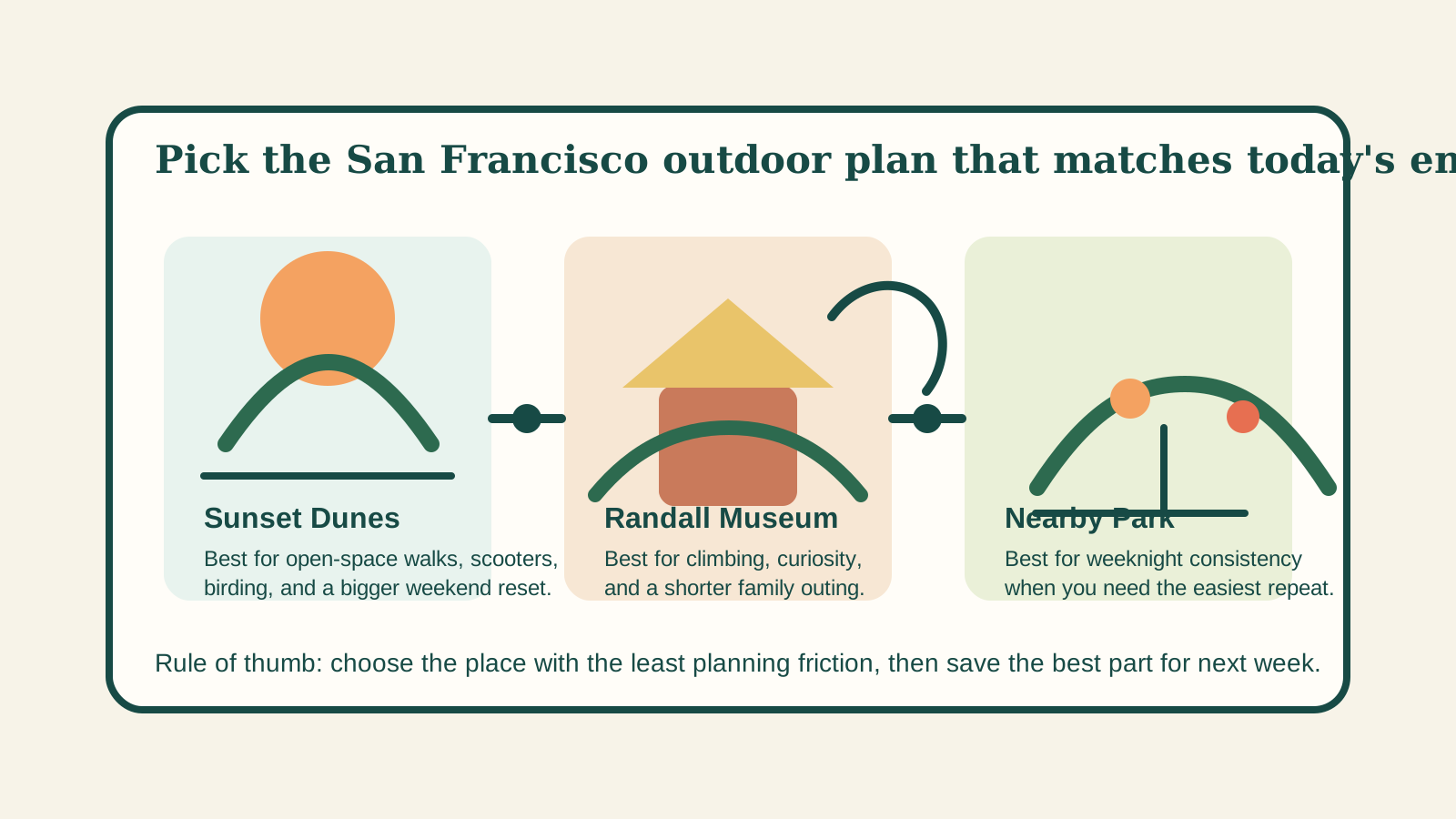 Choose the outing based on the kind of energy your family has today, not the version of the day you wish you had.
How to Build a Realistic San Francisco Outdoor Family Plan This Week
If you want a simple way to use this current city momentum, keep the structure modest:
- Pick one main destination by Friday night. Use Sunset Dunes for open-space movement, Randall Museum for curiosity and play, or your nearby park for the lowest-friction option.
- Define the outing by time, not ambition. Ninety minutes to three hours is usually enough. Longer is not automatically better.
- Build the plan around one movement block. That could be a walk, scooter session, hill climb, playground hour, or museum-and-park combination.
- Add one soft landing. A snack, picnic, bench break, or quiet stretch keeps the outing from feeling like an errand.
- Save one repeatable idea for next week. The real win is not one perfect Saturday. It is one place your family would willingly return to.
That final step matters most. Summer guides are useful when they reduce future effort, not when they create a temporary burst of planning. If one outing helps you identify a park, promenade, or museum area that fits your household well, the city has already done a lot of the hard work.
Which Option Fits Your Family Best?
- Choose Sunset Dunes if you want the biggest visual payoff, the easiest long walk, and enough room for different movement speeds.
- Choose the Randall Museum if you want nature play, hands-on curiosity, and a free destination that gives kids more to do than simply keep walking.
- Choose a nearby park if your week is already full and your real goal is consistency, not an elaborate outing.
The common mistake is assuming the best family outing must also be the most memorable one. Usually the better question is: which place gives us the highest chance of actually going? Once you answer that honestly, the city's current park system becomes much easier to use well.
Final Take
If you want the best read on free outdoor family activities in San Francisco for summer 2026, follow the city's current signals. The official SF Rec and Park site is promoting a free Nature Adventure Map with 35 destinations, Sunset Dunes has proved itself as a repeatable outdoor movement space with 1.7 million visits in year one, and the Randall Museum has added a new Nature Exploration Area that makes family outdoor time easier to sustain.
The Nockout version of that advice is straightforward: start with one place that removes friction, not one place that sounds impressive. Build an outing your family can actually finish, then keep the best part of it for next week. In San Francisco right now, the city has already supplied the places. The useful move is turning one of them into a habit.

.jpg)